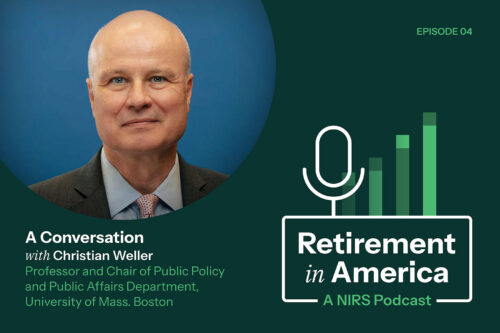

Episode 4 of Retirement in America features a conversation with Dr. Christian Weller, professor of public policy at the University of Massachusetts Boston, to examine the economic pressures making it harder for Americans to build financial security for retirement.
Weller explains why traditional measures of economic strength don’t always reflect what families are experiencing. Rising housing and healthcare costs, longer periods of unemployment, caregiving responsibilities, and growing financial uncertainty can leave households with less money—and less capacity—to save for the future.
Despite the challenges, Weller sees reasons for optimism, including the expansion of automatic retirement savings programs and a growing recognition that individuals shouldn’t have to shoulder the burden of preparing for retirement entirely on their own.
Watch Episode 4,The Middle-Class Squeeze: What It Means for Retirement Security, below.
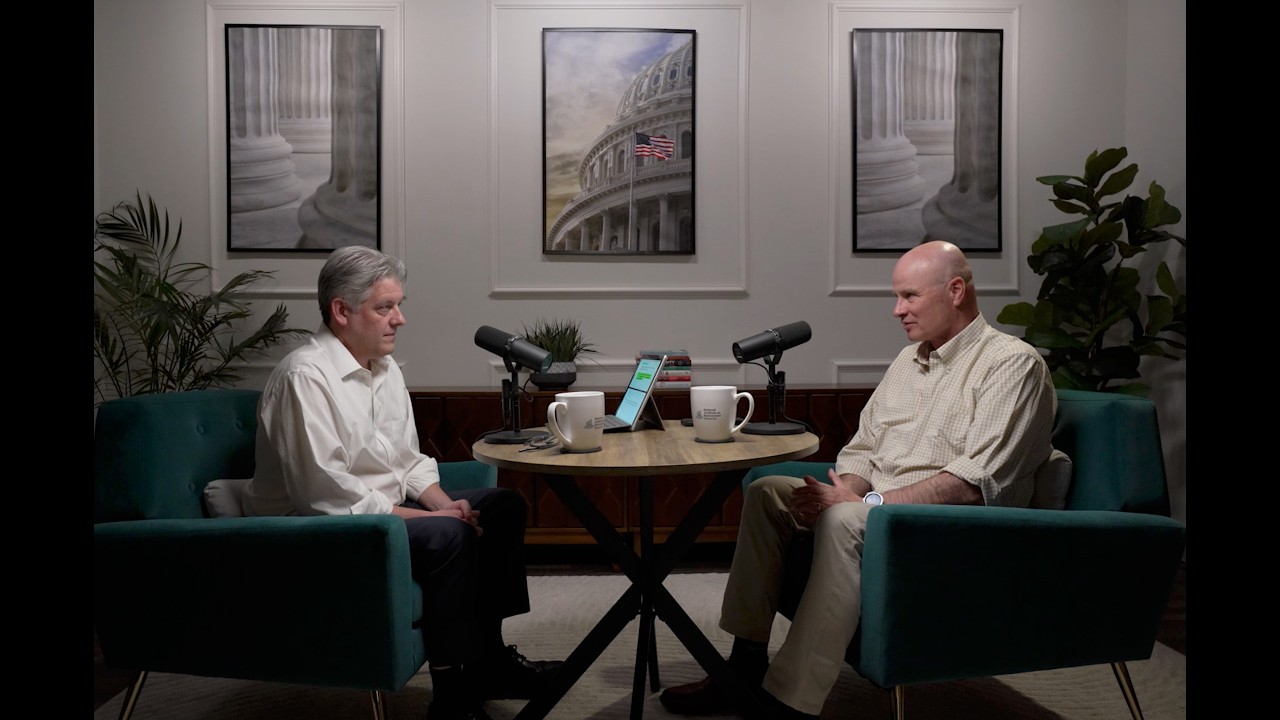
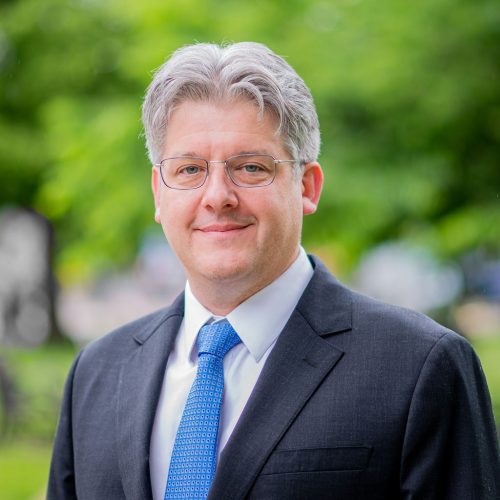
““Americans are being asked to save more for retirement at the same time they are absorbing more financial risk throughout their working lives. Christian helps connect the dots between the affordability challenges families are experiencing today and their ability to build financial security for tomorrow.”
Retirement in America is a monthly podcast series from NIRS that examines the economic, workforce, and policy trends influencing retirement security. Combining expert insight with real-world experiences, the podcast helps listeners better understand one of the most important financial issues facing American workers and families today. Future episodes will feature discussions on retirement policy, Social Security, pensions, workplace retirement plans, demographic and workforce trends, and the lived experiences of Americans preparing for or living in retirement.