A new study calculates the impact of pensions for reducing the risk of elder American poverty and hardship, particularly for households headed by women and racial/ethnic minority groups.
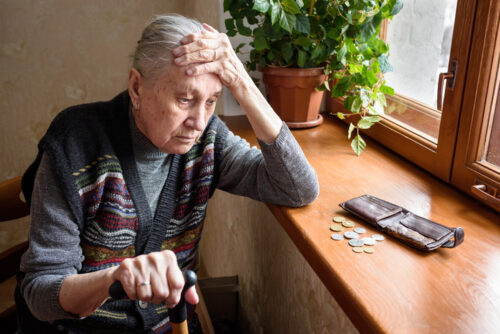
The study finds that rates of poverty among older households lacking defined benefit (DB) pension income were approximately nine times greater than the rates among older households with DB pension income in 2010, up from six times greater in 2006 a new study calculates. Older households with lifetime pension income are far less likely to experience food, shelter, and health care hardship, and less reliant on public assistance. The data also indicate that pensions are a factor in preventing middle class Americans from slipping into poverty during retirement.
Webinar to present findings on July 26, 2012 at 11 AM. Register for webinar at https://www2.gotomeeting.com/register/125703666.
The report estimates that in 2010, DB pension receipt among older American households was associated with:
- 4.7 million fewer poor and near-poor households
- 460,000 fewer households that experienced a food insecurity hardship
- 500,000 fewer households that experienced a shelter
- 510,000 fewer households that experienced a health care
- 1.22 million fewer households receiving means-tested public assistance
The analysis also indicates pensions exert an independent, positive impact on older Americans’ economic well-being – the ‘pension factor.’ This ‘pension factor’ is particularly strong for more vulnerable subpopulations of elder households. The data indicate that gender and racial disparities in poverty rates, material hardships, and public assistance rates are greatly diminished, and in some cases nearly disappear, among households receiving pension income. Households with a pension fare better than those without – even after controlling for socio-demographic factors such as education, race, gender, and work history.
The report was authored by Dr. Frank Porell, Professor of Gerontology at the University of Massachusetts-Boston, and Diane Oakley, Executive Director at the National Institute on Retirement Security.
The analysis was conducted using the U.S. Census Bureau’s Survey of Income Program Participation (SIPP) panels. The study sample included SIPP respondents age 60 years or older and all households with a head age 60 and older, who had records in both the Pension and Adult Well-Being topical modules of the survey.